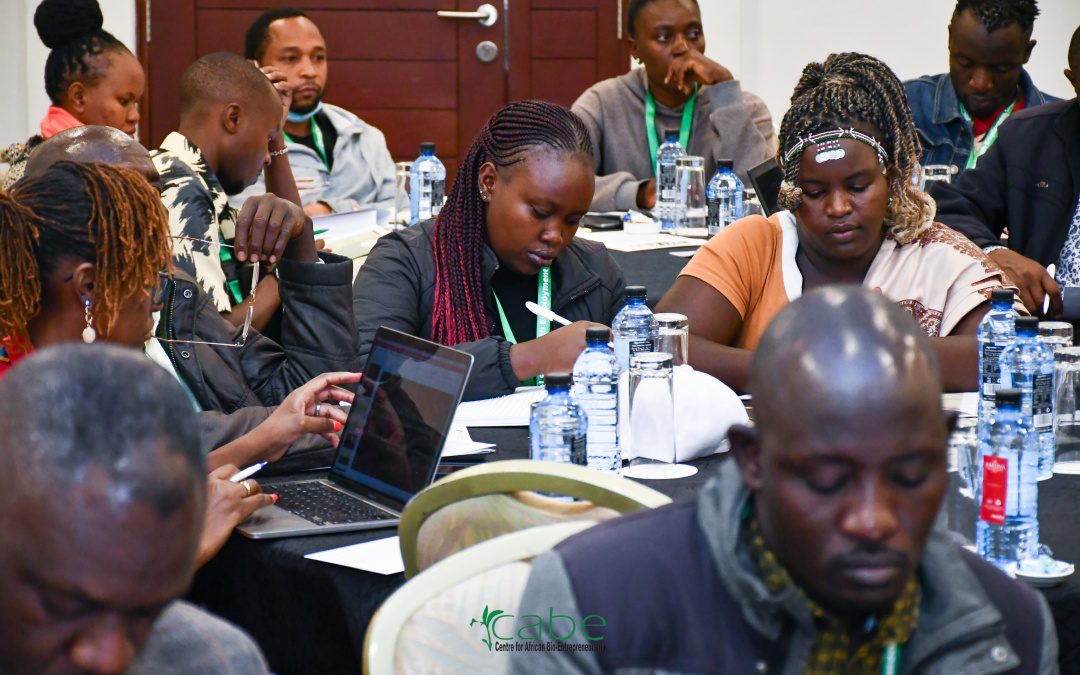
Young woman entrepreneur tells of her experience during the Global Food Challenges Programme Second Mid-Term Review (MTR) meeting in Nairobi. (small subtitle)
This interview was conducted by Ms. Eunice Likoko, University of Amsterdam (UvA) Ph.D. Student.
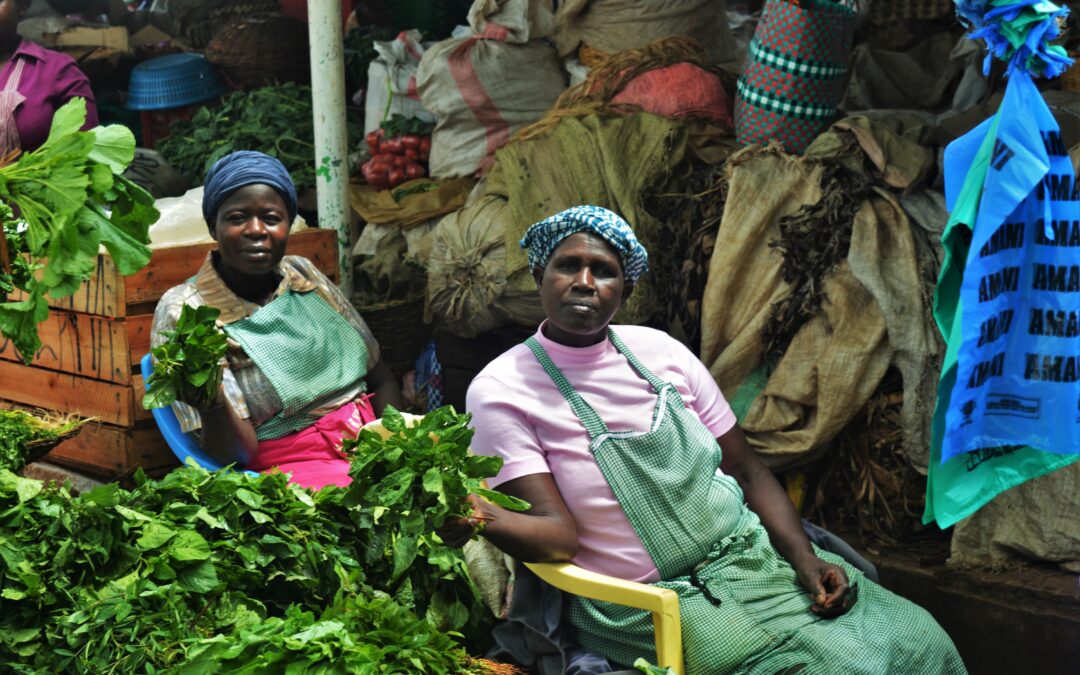
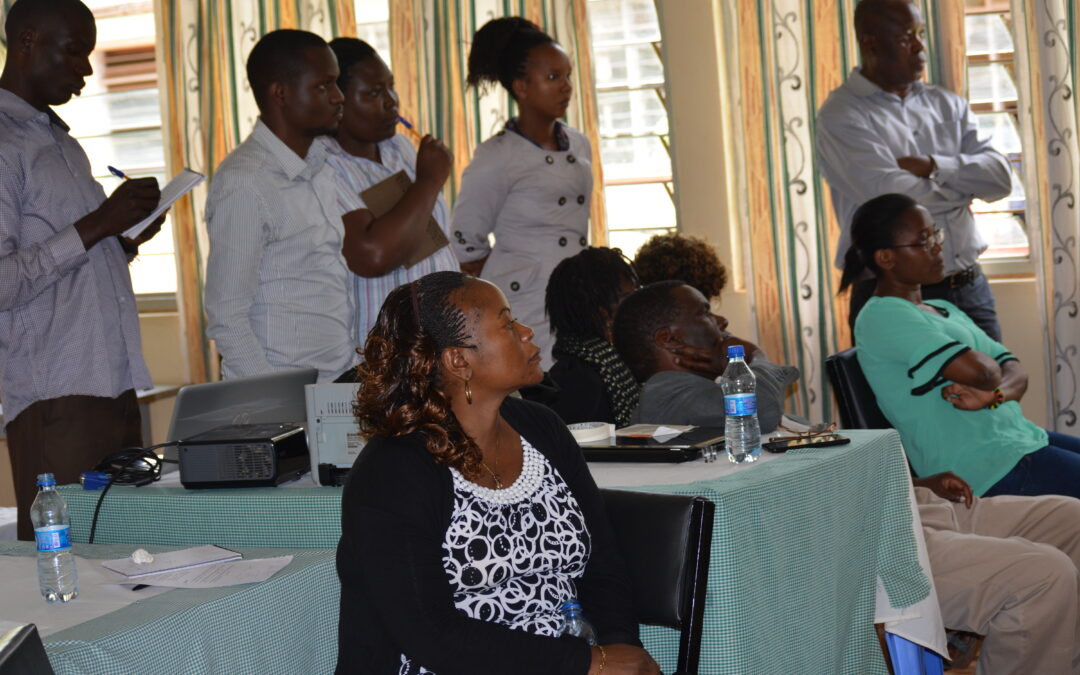
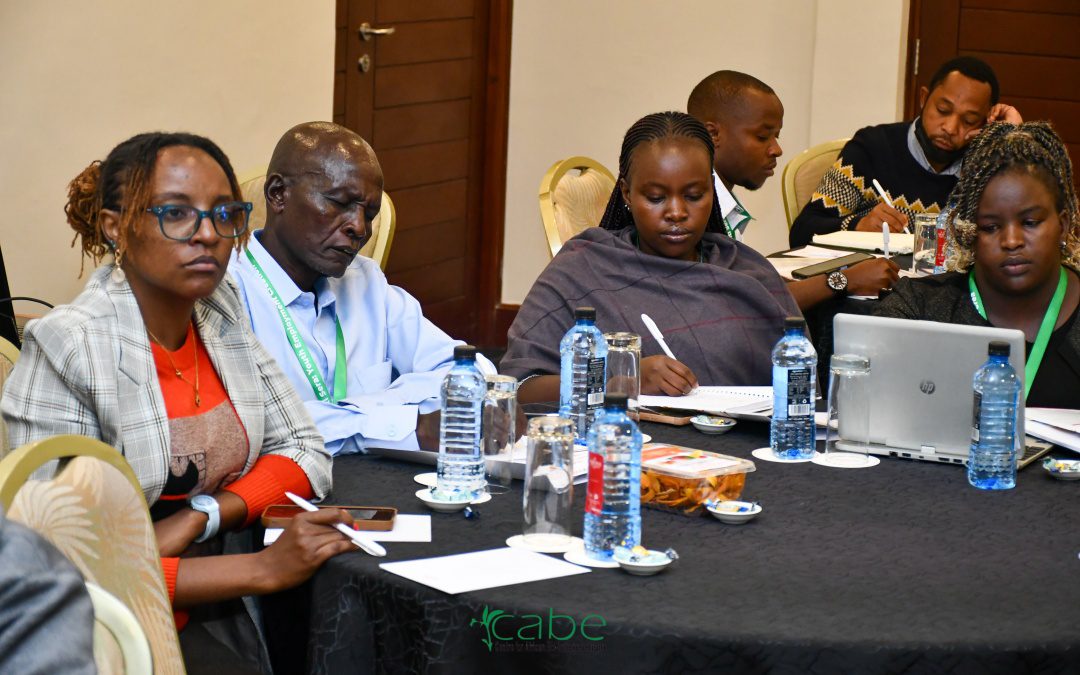
Jennifer Atieno is a woman entrepreneur and a farmer in Kisumu. She came to know about the Women Food Entrepreneurs research project in the first field familiarization visits by the Ph.D. researchers with community-based women groups in Kisumu city slums. In January 2018, she participated in the Food and Business Knowledge Platform Second Mid Term Review meeting in Nairobi and this was her comment: “I learned new ways on how as a farmer and entrepreneur I can improve food and nutrition plus generate income. The meeting also enlightened me on new food preservation methods.”
The first Agricultural Industry Forum (AIF) and exhibition was officially opened on March 3, 2020, at the Nairobi Hospital Convention Centre. The forum called on designing and incorporating more innovative technologies and increased investment by the private sector stakeholders in the agribusiness sector.
The conference main aim was to provide a national platform for discussions on how best to strengthen and sustain effective partnerships in the agricultural sector in the context of devolution.
Speaking at the opening of the Forum, Israel Ambassador to Kenya, H.E Oded Joseph stated that they will continue to partner with Kenya in undertaking agricultural activities. “Israel being a world leader in the field of agriculture, it will continue to be a significant partner in creating capacity-building opportunities between the two countries.”
He added that in order for an economy to be sustainable and economically viable, the business sector has to play a vital role, the youth have to be involved and basic infrastructures have to be set up to support the agriculture sector.
During the forum, the Chairman of Agricultural Industry Network, Mr. Edward Mudibo called on fast-tracking of the national agricultural policy, which revolves around the main objectives of increasing productivity and income growth, especially for smallholders; enhanced food security and equity, emphasis on irrigation to introduce stability in agricultural output, commercialization and intensification of production, especially among small scale farmers.
Mr. Mudibo noted that platforms, where the private sector, national and county government can activate new strategic partnerships, need to be created for transformational change within the Kenyan agribusiness sector. He also highlighted that governance and the role of cooperatives need to be rethought.
The other key message that came out of the forum was the need to make agriculture attractive to the youth so as to reduce the unemployment crisis. There was the need to develop guidelines for public-private partnerships(PPPs) between county government and the private sector, and actionable strategies to improve the agribusiness sector.
Moreover, the government will establish six agro-processing units within each economic bloc across the country. The units will be developed using a one-stop-shop rapid Public-Private Partnership(PPP) process for local and export markets.
On January 31, the Centre for African Bio-Entrepreneurship signed a partnership agreement with Agricycle East Africa Limited to empower smallholder farmers, women, and youth by creating market linkages for value-added fruits.
Agricycle East Africa Ltd is a social enterprise subsidiary of Agricycle Global specializing in fruit processing and marketing to create sustainable business relations for women empowerment.
The three-year agreement entails designing projects, resource mobilization, and creating collaborative platforms for learning and knowledge exchange on fruit agribusiness, women empowerment, deployment of technologies and equipment for fruit drying and capacity building.
Speaking at the signing ceremony, the Executive Director CABE, Dr. Hannigton Odame said “This MoU complements CABE’s activities in facilitating market linkages, capacity building and training, research, and policy processes. On the other hand, it allows Agricycle East Africa to partner with CABE-affiliated farmer groups to alleviate poverty through agri-preneurship and provide food safety and health standards in fruit processing and marketing activities.”
After signing the MoU, the two organizations will develop an implementation strategy alongside a resource mobilization strategy. In the first phase, the partners will engage farmer groups in Western Kenya and eventually scale-out in other counties, which produce plenty of fruits but have inadequate market linkages.
“We will now move to create an action plan for the first year of the MoU implementation and develop Standard Operating Procedures in efforts to mobilize resources and provide technical and social activities from each organization,” Agricycle East African Director, Mr. Patrick Nderitu stated.
Also, the two organizations will invest in women and youth empowerment to build their agribusiness skills, provide access to market linkages and access to agri-financing.
The Centre for African Bio-Entrepreneurship (CABE) successfully hosted the APRA Annual Review and Planning Workshop in Naivasha from 2-6 December 2019. Members of the three APRA workstreams and APRA Consortium, stationed at the Institute of Development Studies (IDS), also participated.
The theme of this year’s workshop was Impact, Communications, and Engagement (ICE). It aimed at reviewing tactics and strategies for communicating policy-relevant insights and evidence ‘nuggets’ emerging from the APRA studies to key stakeholders and clarifying pathways to impact.
During the workshop, the Accompanied Learning for Relevance and Effectiveness (ALRE) initiative was officially launched, which aims to improve engagement efforts, trace influence, and identify lessons for improving future programming within APRA.
Highlights from the workshop include: review of progress on APRA research activities during the year related to Work Stream 1 (panel studies), Work Stream 2 (longitudinal studies) and Work Stream 3 (policy studies). Presentation of policy-relevant insights evidence from the Work Stream studies related to the APRA Outcome Indicators and cross-cutting themes; clarification of engagement priorities and plans from the Participatory Impact Pathways Analysis (PIPA) and Theory of Change (ToC) workshops to bring about outcome-level change, and discussions on hosting APRA phase 2.
It was noted that there are high levels of commercialisation of oil palm in South-Western Ghana due to specialisation and highly stratified oil palm economy by gender, generation, and class.
Comparing food-based versus tobacco-led agricultural commercialisation in Zimbabwe, Vine Mutyasira observed that tobacco-led commercialisation resulted in higher returns leading to whole-farm productivity-enhancing investments in technologies, livestock, and assets.
In the case of long-term change in cocoa commercialisation in Ghana, Joseph Yaro mentioned that the private and state sector investment can boost access to technical innovation for intensification of production thus improved incomes for cocoa farmers.
From the longitudinal analysis of sunflower commercialisation in Singida, Tanzania, Christopher Magomba highlighted that the sustainability of sunflower commercialisation and productivity has led to low uptake of inputs such as fertiliser and seeds, low purchasing power; limited access to extension services leading to low yields and competition from alternative annual crops (maize, green gram).
Rice commercialisation has ensured household and the community food security and considerable change in the livelihood options for smallholder rice farmers in the Fogera plains of Ethiopia. This change contributed to rise in rice processors from 1 in 1997 to 123 in 2018, increased employment opportunities especially for casual labourers and interdependence of rice production and labour markets and 93% of the processors became rice sole proprietors recording average value of 360 thousand birr/processor. Whereas in Tanzania, intensification was mentioned as a solution to small and medium-scale farmers in rice commercialisation.
Speaking on the political economy of growth corridors and agricultural commercialisation, Ngala Chome, a PhD candidate, said, “There are diverse pathways to commercialisation along the growth corridors and they range from the establishment of estates/plantation to the creation of block farms and cooperative groups, to contract farming arrangements, which emerge through infrastructure development.” He added that ethnic politics play a critical role, as claims over resources are contested between indigenous groups and the state.
Presenting on behalf of Jodie and Seife, John Thompson mentioned that good incentives (e.g. financial guarantees) can increase the role of small to mid-sized enterprise (SME) agribusinesses in commercialisation pathways rather than policy uptake.
In order to empower the youth, the emphasis was placed on providing more programs or schooling to millions of young people in order to reduce rural-urban migration, the former highlighted in this Ghana-based youth engagement blog.
Looking ahead to Phase 2, DFID’s Howard Standen advised the team to be persistent and use personal relationships or existing champions, such as the African Union Commission, Advisory person, Department of Rural Economy and Agriculture, African Union Commission. Ethiopia, Dr. Janet Edeme and the ‘to push for regional and national debates contribution in agricultural commercialisation.
In efforts to boost production and marketing, the Venezuelan government has funded the construction of a rice research institute in Budalang’i, Busia county. The Kshs. 400 million institute aims to develop new breeds for lowland rice ecologies and their major market segments, including good grain quality and tolerance to major biotic and abiotic stresses.
Rice is fast becoming a regular food in most Kenyan households. It is a strategic commodity and the fastest-growing food source in Africa.
According to a published post in the local dailies, Busia County will maximize its production through value addition and boost uptake of rice in the market. Also, it will create employment opportunities for the locals and identify the best rice varieties for specific regions in the county.
Previously, Busia farmers were forced to sell their produce at low prices for fear of incurring losses from poor storage and lack of proper mechanized facilities.
Busia will be the only county in Kenya to benefit from the funding from Venezuela Government together with Madagascar Island. Madagascar has already completed its project, while Kenya is still at the design stage. The Ministry of Public Works is expected to hand over the designs to the contractor once complete.
Currently, the consumption of rice is at 440,000 metric tons per year but Kenya is only producing 140,000 metric tons per year, meaning that the rest of the rice is imported to other countries like Pakistan and Thailand.
Utafiti Sera Youth Employment Creation (YEC) National Policy Convening, organized by CABE Africa in collaboration with PASGR was held in Nakuru.
The event brought together 49 stakeholders from government, private sector, academia, NGOs, and most importantly, youth agripreneurs themselves.
The convening built on Phase IV of the Utafiti Sera Youth Employment Creation project, which co-created evidence with youth-led MSMEs in the mango (Makueni), potato (Nyandarua & West Pokot), and avocado (Kakamega) value chains
Caro Ndung’u, a passionate potato farmer, shares her inspiring journey in agribusiness and how the Centre for African Bio-Entrepreneurship (CABE) has transformed her farming practices.
Caro Ndegwa opens up about her potato farming journey and the remarkable transformations she has experienced since joining the Centre for African Bio-Entrepreneurship (CABE Africa) programs.
She shares how the training and support have enhanced her practices, improved productivity, and opened up new opportunities for growth.
Kingstone Lukose, an avocado farmer, shares his journey and the progress he has made since joining the Centre for African Bio-Entrepreneurship (CABE Africa) programs.
In this video, he highlights the skills he has gained, the challenges he has overcome, and the opportunities that have helped him grow his agribusiness.
Venue: Sarova Woodlands Hotel Nakuru, 19th to 21st August 2025
Target Participants
The national policy convening will convene approximately 50 strategically selected stakeholders representing a cross-section of institutions and sectors critical to advancing youth employment in agriculture and agro-processing. These participants will bring diverse perspectives, technical expertise, and decision-making authority to ensure a holistic and actionable dialogue.
Objectives of the National Convening
The overall objective is to promote the uptake of co-created evidence in shaping national policy, practice, and programming aimed at enhancing youth employment in the agriculture and agro-processing sectors. The specific objectives are:
To present and discuss co-evidence generated through participatory engagements with youth in selected counties, focusing on employment opportunities in the mango, potato, and avocado value chains.
To explore actionable strategies for strengthening policy uptake and implementation by both County and National Governments to enhance youth employment creation in the Mango, Potato, and Avocado value chains.
To promote integration of digital knowledge and learning centres in Mango, potato and avocado value chains in policy processes and decision making.
Expected Outcomes
Co-created evidence generated through house interactions with youth in the selected counties on youth employment creation in Kenya shared.
Possible strategies to enhance policy uptake by both county and national governments to promote employment opportunities for youth in the Mango, Potato, and Avocado value chains identified.
Strengthened commitment to scaling digital solutions in the policy processes and decision making that empower youth-led MSMEs, foster efficiency, productivity and inclusive policy engagement in Mango, potato and Avocado value chains.
” Welcome to West Pokot, the land of hidden treasure.” That was the warm welcome from Philip Tingaa, the Director in the Department of Agriculture, when the Centre for African Bio-Entrepreneurship (CABE) team arrived at Kilimo House in Kapenguria Town.
In West Pokot, agriculture is evolving, with promising ventures taking root in mango and potato farming. In Lomut, Pokot Central Sub-county, mango production is thriving, primarily through indigenous varieties.
CABE’S visit
A visit to the Lomut Cooperative Society revealed small-scale mango drying efforts using solar dryers. However, current capacity remains low, only eight dryers processing just 1 kg each per day.
Women and youth have shown great interest in mango drying, but their efforts are limited by insufficient equipment and poor access to markets. Lomut cooperative believe Utafiti Sera YEC House could play a transformative role in linking cooperatives to better drying facilities and broader market opportunities.
A section of the beautiful hills in the West Pokot area. PHOTO/ CABE
Younger women are also actively engaged in seedling production, offering them a viable livelihood option.
Potato farming has taken hold in the highland areas of Tapach, Lelan, and Siyoi. With a short maturity period of three months, this crop allows for 2–3 harvests annually. Youth are increasingly participating due to quick returns.
However, a major challenge remains, limited access to clean, certified seeds. Addressing this by supporting youth in seed multiplication could unlock employment and entrepreneurial opportunities.
“Potatoes are a key value chain in this county,” Tingaa noted. “They take a shorter time, and our youth enjoy the quick returns. The market is readily available.”
Yet, many youth still shy away from agriculture, opting instead to invest in motorcycles for transport businesses, a sector that is now oversaturated and less profitable.
Tingaa believes that with proper guidance and access to technology, youth can be encouraged to join agriculture and support older generations.
Infrastructure remains a critical barrier. Poor roads and seasonal flooding restrict transport, leading to postharvest losses and low market prices.
To mitigate this, the County Government is planning to set up a juice processing plant in Sigor and distribute 200,000 improved mango seedlings (Apple and Ngowe varieties) for both processing and premium markets.
Key take aways from visit
Key takeaways from the CABE visit indicated that youth prefer short-cycle crops like potatoes due to land access limitations and the need for quick returns. Land ownership remains a significant hurdle, especially for long-term investments like mango farming.
“There has been an issue with land ownership. The elderly still cling to land, but this is being discussed at the community level. The reality is, even after their children complete school, there are no jobs,” Tingaa explained.
While mango value addition offers significant potential for youth employment and income generation, potato processing remains largely untapped. Unfortunately, interventions specifically targeting youth in agriculture are limited.
Despite the availability of disaggregated data, the county lacks a centralized youth agribusiness database and does not have a domesticated Youth in Agribusiness Policy or strategy.
Nonetheless, partnerships like the one with the Ajira Digital Program are making a difference. Through the Makutano Youth Empowerment Centre, youth are gaining digital skills and learning how to access online work opportunities.
Shining Fibian Domongole’s story
One shining example is Fibian Cheptoo Domongole, a young potato farmer from Lelan Ward. Since beginning farming in 2022, she faced early struggles with oversupply and poor prices due to market timing.
“I did not know how to market my potatoes. There was no price information, demand was low, and I would sell at throwaway prices, resulting in huge losses,” she recalled.
The Utafiti Sera YEC IV capacity-building training in Nairobi was a turning point. Through exposure to youth from Nyandarua and strategic networking, she learned to stagger her production and gained access to better market insights.
“We now share market information via a WhatsApp group. We know who needs potatoes, where to sell them, and at what price. We are now making profits,” she said.
CABE Project manager Lucy Adoyo enjoys water at the stream in West Pokot as Faith Domongole watches. PHOTO/CABE
Fibian also maintains detailed farm records, helping her manage costs and plan better. Her impact extends beyond her farm, she has mobilized over 100 youth to engage in potato farming, teaching them to save, lease land, and view agriculture as a serious business.
Today, many youth are involved in planting, weeding, harvesting, and transport, even without owning land.
Her next goal is to venture into certified seed multiplication. However, she needs capital and is calling on the county government and partners to provide technical training, certified seeds, financing, and reliable market linkages.
Conclusion
West Pokot is steadily unveiling its potential, with youth and women at the heart of this quiet agricultural revolution. While challenges such as land ownership, infrastructure, and limited access to certified inputs remain, the spirit of innovation and resilience among the county’s young agripreneurs is unmistakable.
Through strategic interventions, collaborative efforts, and empowerment programs, West Pokot can transform its agriculture sector into a vibrant engine for employment, food security, and economic growth.
Makueni County like many other regions of Kenya, face the challenge of youth unemployment and underemployment.
However CABE’s field visit revealed a vibrant ecosystem of young people actively engaged in agriculture and agro-processing, demonstrating their innovation, resilience, and community development to drive economic growth and create jobs not only for themselves but for other youth.
Key Observations from the Field
Entrepreneurial skill development : There exist ICT hubs in Makueni County that provide opportunity for youth to acquire ICT skills, business skills and networking, coaching and mentoring. However, due to high operation costs of ICT hubs only a few are active.
Diverse Ventures: The visit showcased a range of youth-led initiatives in mango value chain, from crop production (including grafting, nursery management, pest and disease control, harvesting, sorting, grading, storage) to value-added processing (like fruit drying, packaging and branding). Some MSMEs were also involved in providing agricultural services, such as extension and training to youths, Aquaculture, fish feeds, formulation and production, bee keeping and honey production and providing market linkages. This helps the youth MSMES to diversify source of income, especially when mango is off season.
Innovation and Technology Adoption: Youth MSMEs are leveraging technology to improve their operations. This includes using mobile apps for skill development, communication with customers and other stakeholders, input access, information, market access, adopting e-marketing, and exploring digital platforms for networking with other agri- prenuers and for financial transactions.
Collaboration and networking: Youth MSMEs were collaborating with Makueni County Government on acquiring extension services, training and benchmarking with other agri- MSMEs and participating in policy development.
Community Engagement: Several MSMEs are located within their communities, creating local employment opportunities for other young people and contributing to local economy. They are also actively involved in knowledge-sharing through digital platforms and capacity building initiatives.
Government and Stakeholder Support: The visit underscored the importance of County government and stakeholder support in fostering the growth of youth-led MSMEs. This includes: enhancing use of research evidence to inform policy processes, co-creating youth friendly policies that enable Youth led MSMEs to thrive eg removing bottlenecks for business formalization and registration, punitive taxation, providing access to finance, training, infrastructure development, and market linkages.
Challenges and Opportunities: While the visit highlighted success stories from a few youth –led MSMEs, it also revealed significant challenges. These include limited access to finance for startups and up scaling, lack of relevant and specific technical skills in the value chain, difficulties in accessing markets and meeting quality standards, particularly for value-added products, and the need for better infrastructure, including facilities for cold storage and transportation and processing, lack of data driven youth specific policies co-created by youth themselves that address their needs.
Examples of Successful Youth-led MSMEs
Faith Mumo – (Iviani Farm): Mango production value addition and Aquaculture
Faith Mumo is a young agriprenuer and CEO of youth led Iviani Farm in Makueni County, She has ventured into Mango production, aggregation and processing particularly mango drying. The dried mangoes are sold to local supermarkets and internationally.
Faith began the business journey three (3) years ago, with the desire to address high poverty levels as well as post-harvest mango losses in their 20 acre farm. The land belongs to their father and has about 970 trees.
The business employs about 50 people (20 male and 30 female), with 30 employees being on permanent terms. Casual employees are engaged when the mango season is high with a lot of labour requirement. Out of the 50 workers about 50% are youth, and are engaged in different field activities such as agronomy, fruit picking, ripening, sorting, weighing, washing, peeling, slicing and stacking, processing, branding and packaging.
CABE Team poses with Iviani Farm team at Iviani Mango Processing firm. PHOTO/CABE
The business is legally registered and operates formally facilitating for access to credit facilities, training and market both local and international markets. The business received support from Makueni County government facilitating learning through a benchmarking visit to Burton and Bamber who is an agro-processing entrepreneur, in Kenya.
County government through department of Agriculture Further, provided a platform for showcasing Farm products in Agricultural shows, exhibitions and field days, thus helping the Iviani Farm to network with other businesses creating visibility for local and international recognition. The active participation of Ivian Farm especially Faith Mumo in Utafiti-sera capacity building carried out by CABE and PASGR improved her business skills especially in record keeping, networking and marketing. Faith Mumo supplement her mango venture by diversification into aquaculture- producing fingerlings which are sold to fish farmers across the Country, feed formulation to reduce feed costs, and bee keeping for honey.
Joseph Musyoka – Digi Seedlings of Wealth Tree Nurseries and Landscapers. Green environment, youth employment and income generation. Joseph Musyoka, a high school teacher from Mukuyuni, Kaiti Constituency in Makueni County, is a thriving agroforestry entrepreneur. In January 2023, he started a small nursery on land given by his father, focusing on ornamental and grafted mango seedlings. Initially a weekend hobby, his enterprise transformed after engaging in Utafiti Sera’s capacity building program.
Through the utafiti-sera training, Joseph shifted to market-driven production, including rootstocks and improved seedlings. In 2025, he expanded from 600 to 45,000 seedlings. His business now provides jobs for two permanent staff and six casual workers, contributing to local youth employment. Joseph is leveraging technology and digital platforms like Facebook, WhatsApp, and Telegram to increase sales targeting over 200 buyers from Kilifi, Mombasa, Taita Taveta, Kwale, West Pokot, and North Eastern Kenya.
CABE Executive Director Patrick Odame, DIGI-seeds founder Joseph Musyoka and CABE Project Manager Lucy Adoyo pose for a photo. PHOTO/CABE
He proudly says, “There is wealth in the soil. Agribusiness has brought me more profit than my teaching job. It’s clean money, and I plan to focus on it full-time in the future.” As part of his social responsibility, Joseph donates at least 1,000 seedlings every rainy season to local schools and community groups to support fruit production and environmental conservation.
He has also formed three community groups with over 90 members, offering them training on seed propagation and linking them to markets. His advice to young people: “Start small and grow bigger with time. Consistency and knowledge will take you far.”
Makueni County Director of Agriculture, Mary Muteti : County Engagement with Youth for enabling policy environment for agri-prenuership
The Department of Agriculture in Makueni County is actively engaging youth in agriculture and agribusiness through pro-youth policies and strategies aimed at increasing their participation in the sector.
Key initiatives include: Makueni County Youth Policy (2020): Aims to empower youth and boost their involvement in socio-economic and political activities, with a focus on making agriculture and agribusiness more appealing.
Smallholder Farmers’ Access to Public Institutional Markets Strategy (2023–2028): Enables youth women and persons with disability (PWD) to benefit from 30% of the AGPO reserve designated for supplying local products to public institutions.
Makueni Agricultural Sector Working Group: A collaborative platform with strong youth representation that addresses sector challenges, improves market access, strengthens supply chains, and shares targeted opportunities for youth. Currently, CABE Africa is the only known organization in Makueni specifically focusing on youth in agribusiness. With its proven track record in the mango value chain, CABE has significant potential to expand its impact by engaging youth in other value chains across the county.
Alice Wambui, CEO Makueni Tech & Innovation Hub: Leveraging innovation and Technology adoption to unlock entrepreneurship opportunities
Makueni County has established a functional Youth Information System aimed at equipping youth with digital entrepreneurial skills, networking and market linkages through several key initiatives:
i. ICT/Youth Empowerment Centres: A central ICT Innovation Hub at Wote Green Park, supported by the Ajira Digital Program, offers youth free working space, Wi-Fi, computers, and technical support. The hub promotes digital skills training, e-commerce networking, and service delivery. There are 17 such centres countywide.
ii. Skills Training – Ujuzi Teketeke Program: This program provides practical skills training, mentorship from master craftsmen, and startup kits to help youth launch their own businesses.
iii. Youth Sector Working Group: A platform uniting the county government and partners to coordinate youth programs, enhance funding, and ensure inclusive public participation.
iv. Digital Platforms and Networks: Agribusiness information is shared via local administrators and WhatsApp groups. The Makueni Youth in Agribusiness group, initiated by Utafiti Sera YEC, has 945 active members and serves as an e-agribusiness and commerce hub. The County Director of Agriculture (CDA) also shares opportunities within the group.
The ICT hub employs young people as trainers of the youth who have dropped out of school or graduated from tertiary institutions and with limited skills for job market. ICT hub has enhanced the use of technology in business. Alice Wambui says: “This online platform connects farmers with buyers, enabling them access to wider markets and secure better prices.”
4.0 Recommendations for Action 4.1 Strengthen youth led MSMEs Access to Finance Collaborate with financial institutions to develop youth-friendly financial products and services, including tailored loan schemes and grants.
4.2 Provide relevant Technical Training
Invest more in youth skills development customized programs such as vocational training focused on value chain targeting agricultural production, agro-processing, marketing, and business management /Business development services (BDS). These should include Business coaching, mentoring and matchmaking events.
4.3 Improve Infrastructure Invest in rural infrastructure, including roads, storage facilities, processing facilities, transport and access to reliable clean energy. The facilities can be co-managed by the youth to improve their participation in decision making. This initiative can improve market efficiency and reduce post –harvest losses.
4.4 Promote Market Linkages Support the development of market information systems through E-Youth learning centres, and resource centres in accessible areas in wards, e-commerce platforms, and collective marketing initiatives such as youth saccos and cooperatives.
4.5 Foster Collaboration Encourage collaboration between youth-led MSMEs, Government and private sector, civil society and research institutions to enable co-creation, sharing of research data, research evidence to inform decision making. 4.6 Policy Support and advocacy Advocate for youth friendly co-created policies that support youth entrepreneurship in agriculture and agro-processing.
Conclusion The field visit to youth-led MSMEs in Makueni County demonstrated the great potential of young people to drive business growth and create decent jobs in the agricultural value chain.
By using utafiti -sera approach to youth issues through co-creation of solutions with youths, based on research evidence collected by youth themselves to inform policy processes and decision making, we can address the identified youth challenges and providing targeted support to youth led MSMEs. Furthermore, we can also unlock this potential and create a more sustainable and inclusive decent job opportunities for Makueni County.
The success show cased these young agri-entrepreneurs is not just a story of individual success; but a testament to the inherent power of youth-led innovation and the transformative potential of agricultural sector in the 21 st century.
Venue: Waridi Paradise Hotel and Suite, Nairobi, Kenya
Date: October 17-18, 2024
The Centre for African Bio-Entrepreneurship (CABE Africa) in collaboration with the Partnership for African Social and Governance Research is hosting and implementing the Utafiti Sera (Research-Policy) Project on Youth Employment Creation in Agriculture and Agro-processing Phase IV (YEC IV). This project is funded by funded by the William and Flora Hewlett Foundation and aims to enhance research evidence uptake in Agribusiness and Agro-processing and focuses on building more inclusive policies and practices for the agri-based micro, small, and mediumsized enterprises (MSMEs) in Kenya.
In order to catalyze uptake and application of research evidence to inform policy and decision making by MSMEs, capacity building through short trainings and development of learning materials was prioritized as one of the objectives of YEC IV project. Capacity assessment of 106 MSMEs was undertaken and administered using a digital capacity assessment tool in July 2024 for the selected Agri-based MSMEs in Makueni, Nyandarua, West Pokot and Kakamega counties to identify opportunities and challenges in mango, potato and avocado value chains. The study revealed capacity gaps that required a design of capacity strengthening plan for effective MSMES participation in successful sustainable businesses, entrepreneurship and policy process.
The key assessment areas included: Sales Marketing and Quality Control, Use of Information and/or Technology, Business Relationships and Networking, Resources and Financial Management, Leadership and Governance. These assessment areas were informed by the synthesis of evidence from secondary literature, prior rapid assessment of the MSMEs, and input from stakeholders at the Launch of Utafiti-sera Youth Employment Creation in Agriculture and Agro-processing (YEC IV) in March 2024.
The capacity strengthening or building envisages to improve an individual’s or organization’s ability “to produce, perform or deploy” by enhancing capacities in four strategic areas including Operational, Management, Financial Management, and Personal capacities for a strong and successful entrepreneurship. While some capacities are gained through career experience, through educational avenues, some capacities are strengthened through learned responses in the business environment.
The capacity building intervention envisages to address the identified capacity gaps in the following areas:
Market access and market linkages
Digital platforms for marketing
Market information
Quality standards for agro-processing
Appropriate transport logistics
Resource mobilization
Financial literacy and financial management
Digitalization of records and e-payment
Leadership skills and governance
Objectives
To facilitate knowledge sharing among MSMEs in Mango, Potato and avocado value chains, including entrepreneurship practices, leadership and governance, technology and innovation, Finance, marketing and market access for products
To Create a platform for collaboration and linkages among MSMEs to access accurate and timely access information on markets and innovation to improve entrepreneurship
Promote the utilization of research evidence to inform policy in agribusiness.
Expected Outcomes
Co-created short training curriculum for use by MSMEs to improve entrepreneurship.
A platform created for collaboration and linkages with industry players in specific enterprises in targeted counties.
A culture created on the of use of evidence to inform and influence policy in decision making at county level.
Approach
The convening will adopt PASGR’s innovative Utafiti-Sera approach to which is an innovative evidence- informed policy making approach to issues identified by MSMES in the capacity assessment study to co-create capacity plan.
The two day training workshop will be held on Thursday, 17th and Friday 18th October, 2024 at Waridi Paradise, Kilimani, Nairobi, approximately 40 participants are expected to attend drawn from MSMEs from Makueni Mango value chain, Nyandarua Potato value chain, West Pokot, Mango and potato value chain; and Kakamega Avocado value chain, PASGR and CABE staff and facilitators.
Youth Employment Creation (YEC IV) Training Programme
Time
Day 1 – Thursday 17th October 2024
Facilitator
8:00-8:30
ARRIVAL & REGISTRATION
Susan Malema
8:30 – 9:00
Introduction: Introduction, Expectations, and climate setting
This book provides an all-inclusive approach to farming in small spaces, especially in urban, and peri-urban areas. The book contains food recipes of African indigenous vegetables and fish from the Lake Victoria region of Kenya.
The ‘Women Food Entrepreneurs book’, consisting of 8 chapters, is based on a research project undertaken by multidisciplinary experts between 2015-2019 in city slums in Kisumu, Kenya and Ouagadougou, Burkina Faso. The Women Food Entrepreneurs (WFEs) research project was implemented by social and natural scientists from the Netherlands, Germany, Kenya and Burkina Faso, as well as with Non-Governmental Organizations (NGOs) and community-based women groups. The project aimed to strengthen women’s food entrepreneurship in city slums based on an understanding of the interactions between soil quality, food production and marketing for vulnerable groups.
The book focuses on six themes comprising constraints on women food entrepreneurs, soil, water, and food quality interactions. It also integrates women’s knowledge on food production and processing to add value and enhance business skills. This chapter presents important ways to improve market access, contribute to the development of enabling policies for women food entrepreneurs as well as share lessons and best practices for upscaling (Ch 6). In efforts to contribute to development of the private sector, the book presents opportunities whereby women farmers can strengthen their position in the value chain and business knowledge and skills and networks.
In view of the findings, the book proposes recommendations for consideration in policy making processes. A few outstanding recommendations include first the need to recognize women food entrepreneurs’ role in the provision of fresh foods to city populations. Secondly, women food entrepreneurs’ innovative traditional and scientific knowledge in food production, processing and marketing should be valued, documented and upscaled. In this regard, this book highlights two stories of change. In the first one, a leading female trader champions the use of organic fertilizer among WFEs and subsequently gets nominated as a finalist for the Agrofood Broker of the Year Award. The second story highlights different policy moments in which some of the books’ recommendations have informed policy making by Kisumu County government.
Finally, the book presents the project’s impacts which can be upscaled. A notable impact is the ‘Connector-model’, which arose from the continued involvement of local non-governmental organizations (NGOs); the Centre for African Bio-Entrepreneurship (CABE), Nairobi; Victoria Institute for Research on Environment and Development (VIRED) International, Kisumu; Ėtudes Actions Conseils (EAC) in Burkina Faso; Royal Tropical Institute (KIT), the Netherlands; Netherlands Agro, Food &Technology Centre (NAFTC) Africa; Institute of Biodiversity and Ecosystem Dynamics(IBED), the Netherlands; Institute of Soil Science and Site Ecology, Germany; Dresden University of Technology, Tharandt, Germany; BodemBergsma, the Netherlands; Institut de Recherche en Sciences de la Santé, Burkina Faso; Institute of Social Science Research (AISSR), and University of Amsterdam (UvA), the Netherlands. The model has successfully connected WFE groups with each other as well as with the public and the private through innovation and capacity building. The result is stronger synergy among the Women Food Entrepreneurs for an inclusive business model. The Annex, provides illustrations of food recipes of African indigenous vegetables and fish from the Lake Victoria region of Kenya. The food recipes are both English and dholuo.