The unique value propositions of Model of Impressa Beach Management Unit (IBMU) is: ‘’We will offer safe and cold storage of fresh fish for fisher folks and traders, not just storage for dried fish.”
Impressa Beach Management Unit (BMU) located at Kalokol village in Turkana Central in Turkana County was started in 2009. Its objectives are: 1) to strengthen the management of fish landing stations, fisheries resources and the aquatic environment; 2) to support the sustainable development of the fisheries sector; 3) to prevent and/or reduce conflicts in the fisheries sector; 4) to up lift living standard of fishing Community of IMPRESSA; 5) to ensure proper fish handling, hygiene and sanitation; and 6) attract investor/development partners interested in development activities within the BMU area of jurisdiction to consult the BMU’s office.
The BMU has dedicated leadership, with a focused chairman and secretary, who are able to identify and articulate issues to its members, County government, and development partners. The leadership of the BMU is elected by members of Impressa community comprising of 324 members, out of these, 184 are fishermen, 40 are boat builders, 60 are fish traders, and 40 are transporters. The 15 executive leadership members (comprising 12 males and 3 females) represent every sector of the fishing business (viz. fishing, transport, boat ownership, trade, other). Decision making is consultative and involves the wider community represented by the above executive members.
Our unique value proposition: ’We offer safe and cold storage of fresh fish for fisher folks and traders, not just storage for dried fish.” This will lead to the following benefits:
Increased volumes of fresh fish safely landed and marketed from the current 0.3 tons to 10 tons
Increased volumes of smoked, salted and dried fish from the current 2.7 tons to 10 tons.
Reduced post-harvest losses and waste from the current 35% to a much lower percentage.
Better pricing of fish.
The market of the fish from Lake Turkana can broadly be classified into two categories: Fresh fish and Dried fish. The customer segment for fresh fish are: Victoria Foods, Local retail traders, and Natogo Self Help Group. The customer segment for fried fish includes wholesale traders from DR Congo, Busia, Kisumu, Kitale. Customers from DRC account for 70 percent of dried fish sales while the rest account for only 30 percent.
Impressa landing site in Kalokol on Lake Turkana presents itself as an area where fish traders (viz. Victoria Foods Integrated Plant, distributors such Natogo Self Help Group) come to buy fish from the fishermen. Nile Perch fish is mainly sold fresh to the end market while is Tilipia is sold fresh, stored in ice or split and dried. There is a big demand of dry tilapia from traders who come from central Africa. There is a huge demand for fresh Nile perch and also Tilipia from local traders and institutions). There is also potential on-line marketing of fresh fish. However, without refrigeration facilities and ice, the fish quickly gets spoilt.
Customer relations relates to maintaining existing customers and attracting new ones. To do so, we plan to get the right fish to market, at the right time and under good hygiene. This market fit will require market research to strengthen evidenced-based decisions to identify and match demand of new and existing customers; use of appropriate technology and innovation for sustainable fishing, hygiene and safe handling of fish, embracing social media to create demand for fresh fish among pastoralists as a new customer segment given the changing demographics (youth, urban population); and joining the Turkana County Chamber of Commerce to improve marketing skills and expand BMU’s markets through trade fairs and exhibitions.
Impressa BMU has the following key resources: social capital & intellectual property of 324 members with skills in fishing, boat making and navigation, net-making and repairing, fish handling and trading etc; capital investment in land, fence, buildings, office equipment, boats & engines, latrines, and financial resources with the bank savings of Kshs200,000 and potential earnings of Ksh200,000 per month from 4 boats & engines.
The following key activities are proposed to overcome weaknesses in the existing ones: Clean and safe handling of fresh fish at the landing sites to reduce sand; cold storage of fresh fish of 10 tons per day to reduce post-harvest losses & waste, storage of 10 tons of dried fish per day to increase prices of dried fish, and to improve data of fish landed and marketed fish.
Impressa BMU’s partners include: County and national government (permits and licenses); Banks & MFIs (loans, credit and financial services); National government agencies (roads, energy, water); LMS (capital investment); KEMFRI & WFP (capacity building in research and training); and traders (buying fish and supply fishing inputs etc).
The BMU will support the community through job creation for women and youth, increased volumes of fish marketed, and better pricing of fresh fish for various value chain actors namely, fishermen, boat owners, transporters, buyers, Victorian Foods etc). These will in turn result into improved food hygiene, incomes and livelihoods for the BMU members and the community.
Social costs include: Overfishing, Environmental pollution, and spread of communicable diseases. These can be mitigated by building capacity of BMU members to avoid the use of small nets to catch fish. The fisheries department usually enforces this by confiscating the small nets if found. There is a plan to regularly train fishermen on sustainable fisheries and good fishing practices. This includes training fishermen on how to use pits for the bio degradable waste. The BMU will need to set up a collection point for plastic waste which can then be recycled or disposed of in a better way. The cleaning bay for the fish will need to be well constructed and fitted with clean running water and work tops that can be washed and maintained. The offal will be collected and buried in a pit to prevent spread of diseases.
The unique value propositions of Model of Impressa Beach Management Unit (IBMU) is: ‘’We will offer safe and cold storage of fresh fish for fisher folks and traders, not just storage for dried fish”
Impressa Beach Management Unit (BMU) located at Kalokol village in Turkana Central in Turkana County was started in 2009. Its objectives are: 1) to strengthen the management of fish landing stations, fisheries resources and the aquatic environment; 2) to support the sustainable development of the fisheries sector; 3) to prevent and/or reduce conflicts in the fisheries sector; 4) to up lift living standard of fishing Community of IMPRESSA; 5) to ensure proper fish handling, hygiene and sanitation; and 6) attract investor/development partners interested in development activities within the BMU area of jurisdiction to consult the BMU’s office.
The BMU has dedicated leadership, with a focused chairman and secretary, who are able to identify and articulate issues to its members, County government, and development partners. The leadership of the BMU is elected by members of Impressa community comprising of 324 members, out of these, 184 are fishermen, 40 are boat builders, 60 are fish traders, and 40 are transporters. The 15 executive leadership members (comprising 12 males and 3 females) represent every sector of the fishing business (viz. fishing, transport, boat ownership, trade, other). Decision making is consultative and involves the wider community represented by the above executive members.
Our unique value proposition: ’We offer safe and cold storage of fresh fish for fisher folks and traders, not just storage for dried fish.” This will lead to the following benefits:
Increased volumes of fresh fish safely landed and marketed from the current 0.3 tons to 10 tons
Increased volumes of smoked, salted and dried fish from the current 2.7 tons to 10 tons.
Reduced post-harvest losses and waste from the current 35% to a much lower percentage.
Better pricing of fish.
The market of the fish from Lake Turkana can broadly be classified into two categories: Fresh fish and Dried fish. The customer segment for fresh fish are: Victoria Foods, Local retail traders, and Natogo Self Help Group. The customer segment for fried fish includes wholesale traders from DR Congo, Busia, Kisumu, Kitale. Customers from DRC account for 70 percent of dried fish sales while the rest account for only 30 percent.
Impressa landing site in Kalokol on Lake Turkana presents itself as an area where fish traders (viz. Victoria Foods Integrated Plant, distributors such Natogo Self Help Group) come to buy fish from the fishermen. Nile Perch fish is mainly sold fresh to the end market while is Tilipia is sold fresh, stored in ice or split and dried. There is a big demand of dry tilapia from traders who come from central Africa. There is a huge demand for fresh Nile perch and also Tilipia from local traders and institutions). There is also potential on-line marketing of fresh fish. However, without refrigeration facilities and ice, the fish quickly gets spoilt.
Customer relations relates to maintaining existing customers and attracting new ones. To do so, we plan to get the right fish to market, at the right time and under good hygiene. This market fit will require market research to strengthen evidenced-based decisions to identify and match demand of new and existing customers; use of appropriate technology and innovation for sustainable fishing, hygiene and safe handling of fish, embracing social media to create demand for fresh fish among pastoralists as a new customer segment given the changing demographics (youth, urban population); and joining the Turkana County Chamber of Commerce to improve marketing skills and expand BMU’s markets through trade fairs and exhibitions.
Impressa BMU has the following key resources: social capital & intellectual property of 324 members with skills in fishing, boat making and navigation, net-making and repairing, fish handling and trading etc; capital investment in land, fence, buildings, office equipment, boats & engines, latrines, and financial resources with the bank savings of Kshs200,000 and potential earnings of Ksh200,000 per month from 4 boats & engines.
The following key activities are proposed to overcome weaknesses in the existing ones: Clean and safe handling of fresh fish at the landing sites to reduce sand; cold storage of fresh fish of 10 tons per day to reduce post-harvest losses & waste, storage of 10 tons of dried fish per day to increase prices of dried fish, and to improve data of fish landed and marketed fish.
Impressa BMU’s partners include: County and national government (permits and licenses); Banks & MFIs (loans, credit and financial services); National government agencies (roads, energy, water); LMS (capital investment); KEMFRI & WFP (capacity building in research and training); and traders (buying fish and supply fishing inputs etc).
The BMU will support the community through job creation for women and youth, increased volumes of fish marketed, and better pricing of fresh fish for various value chain actors namely, fishermen, boat owners, transporters, buyers, Victorian Foods etc). These will in turn result into improved food hygiene, incomes and livelihoods for the BMU members and the community.
Social costs include: Overfishing, Environmental pollution, and spread of communicable diseases. These can be mitigated by building capacity of BMU members to avoid the use of small nets to catch fish. The fisheries department usually enforces this by confiscating the small nets if found. There is a plan to regularly train fishermen on sustainable fisheries and good fishing practices. This includes training fishermen on how to use pits for the bio degradable waste. The BMU will need to set up a collection point for plastic waste which can then be recycled or disposed of in a better way. The cleaning bay for the fish will need to be well constructed and fitted with clean running water and work tops that can be washed and maintained. The offal will be collected and buried in a pit to prevent spread of diseases.
The Principal Secretary, State Department for Crop Development & Agricultural Research in the Ministry of Agriculture, Livestock, Fisheries and Cooperatives Prof. Hamadi Boga today flagged off a consignment of seeds, seedlings, and other related inputs worth Kshs 12.75 million to be distributed to SIVAP counties.
The Ministry of Agriculture, Livestock, Fisheries and Cooperatives through the State Department for Crop Development and Agricultural Research is implementing the Small Scale Irrigation and Value Addition Programme (SIVAP) funded by a loan from Africa Development Bank (AfDB), a grant from the Global Agriculture and Food Security Programme (GAFSP) and the Government of Kenya.
SIVAP is operating in 11 counties namely: Makueni, Kajiado, Machakos, Bomet, Tharaka Nithi, Meru, Nyeri, Tana River, Murang’a, Nyandarua and Kitui.
The current on-going SIVAP projects include 12 irrigation schemes, 38 water pans, 17 bore holes, 8 shallow wells and sand dams, 5 grading shades, 4 Livestock Sale Yards and Rehabilitation of 65 KMs of rural roads which are at various stages of completion.
Drone technology is being used to collect and analyse data, and monitor irrigated areas, combat pests
At a special event highlighting the partnership between the African Development Bank (www.AfDB.org) and Korea held on the sidelines of the Bank’s Annual Meetings, the role of drone technology to boost food productivity in Africa, was on full display.
Rice can improve nutrition, increase incomes, arrest food insecurity and improve the wellbeing of families in East Africa.
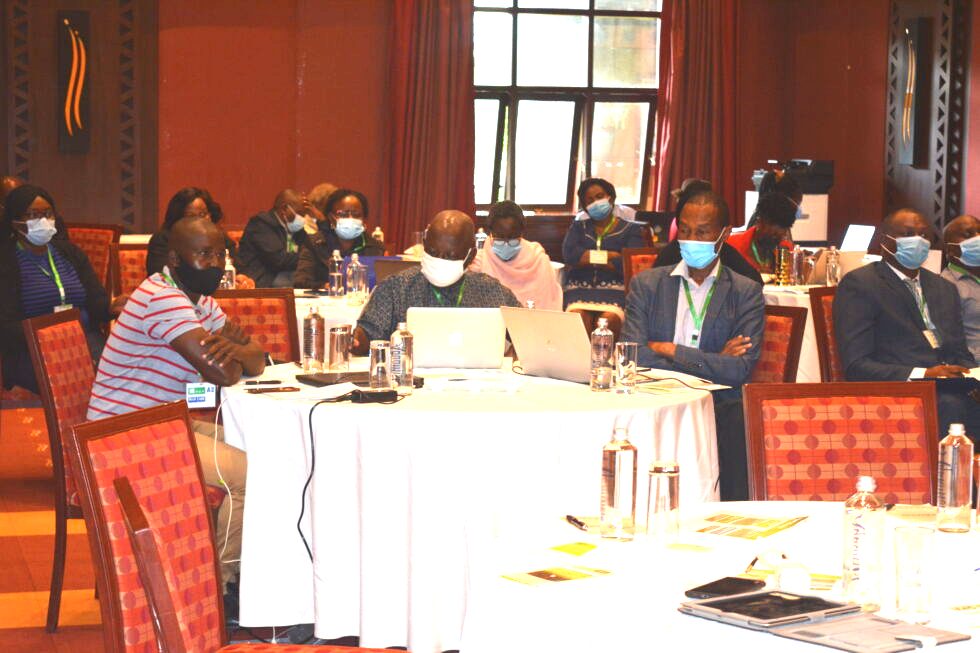
The East Africa Rice Conference 2021 slated for 18th May to 20th May has underscored the critical economic and social potential of rice to farmers, processors, marketers and consumers. The conference, attended by governments, development partners, the civil society, youth and farmers groups, researchers, donors, investors, and the private sector delved into deliberations on challenges and opportunities along the rice value chain. The deliberations are relevant to the Centre for African Bio-entrepreneurship (CABE) as it works to share knowledge to enhance the skills of smallholder farmers, women and youth entrepreneurs in Kenya to advance their meaningful participation in agriculture and agribusiness activities.
The conference attended by participants from Kenya, Uganda, Tanzania, Rwanda, Burundi and Ethiopia discussed how rice research and development can enhance inclusive markets and value chains for the achievement of rice-based livelihoods. The conference also explored gender and youth integration to achieve an integrated rice sector development in a changing climate.
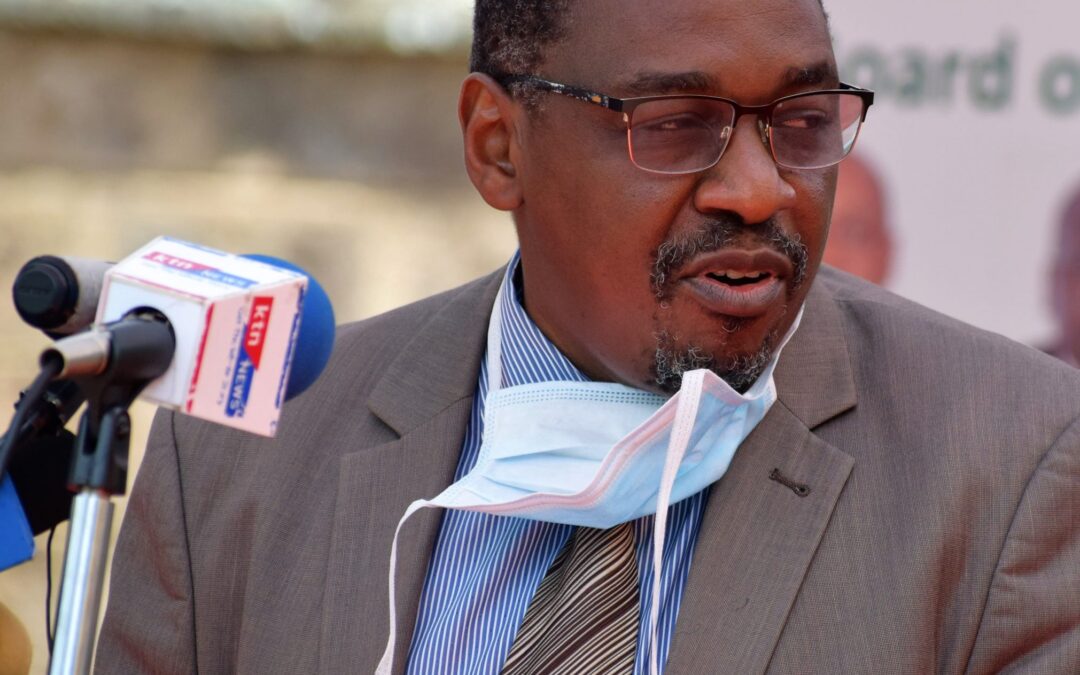
Mr. Josephat Gathiru, speaks on behalf of Prof. Hamadi Iddi Boga, Principal Secretary, State Department for Agricultural Research, (MoALF&C)
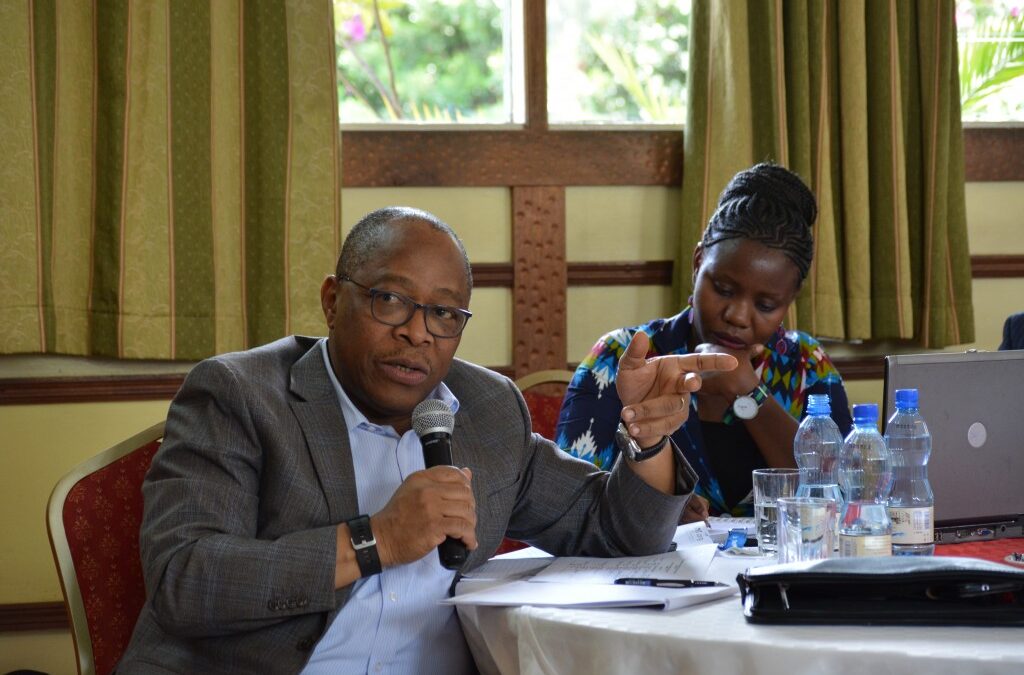
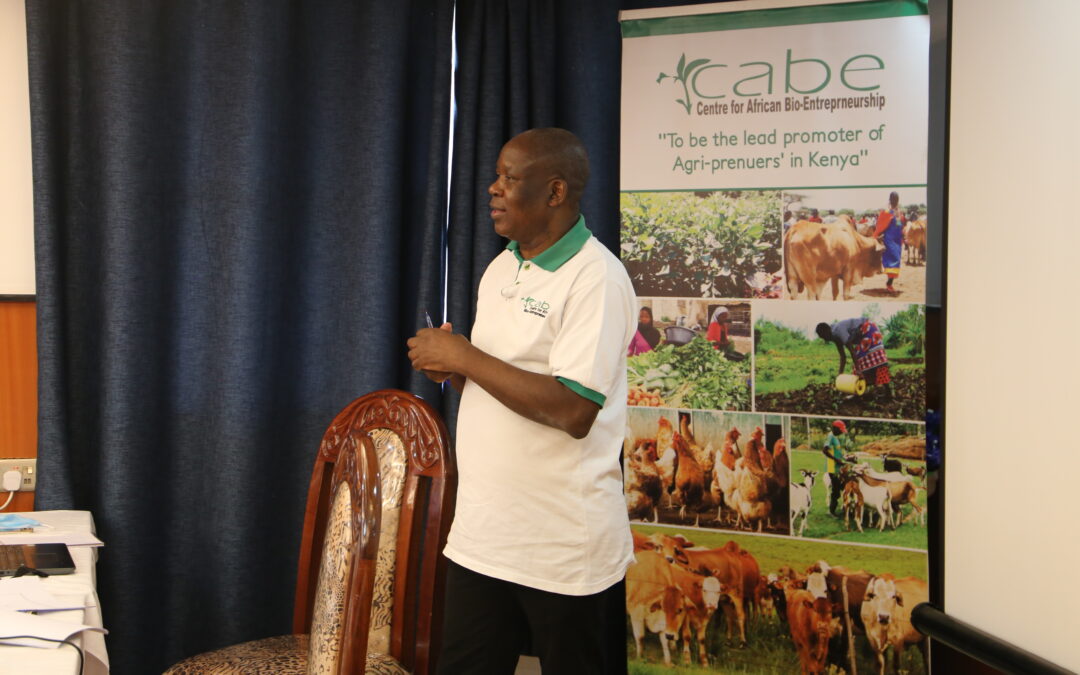
Dr. Hannington Odame, CEO, CABE speaks to Kenya in-country participants in Naivasha
“This gathering of rice farmers, key stakeholders, county and national governments is useful since the shared experiences will inform a strategy that will enrich the value chain of rice which is the third most important cereal after maize and wheat,” says Mr. Josephat Gathiru, speaking on behalf of Prof. Hamadi Iddi Boga, Principal Secretary, State Department for Agricultural Research, Ministry of Agriculture, Livestock and Fisheries & Cooperatives (MoALF&C) – Kenya.
Mr. Robert Kitene, delivers remarks from the CEO of Council of Governors, Mrs. Jacqueline Mogeni
Mr. Robert Kitene, speaking on behalf of the CEO of Council of Governors, Mrs. Jacqueline Mogeni, reiterated that the conference attended by county and national government officials is a big step towards the operationalization of the counties’ rice strategies not only in Kenya but across the region.
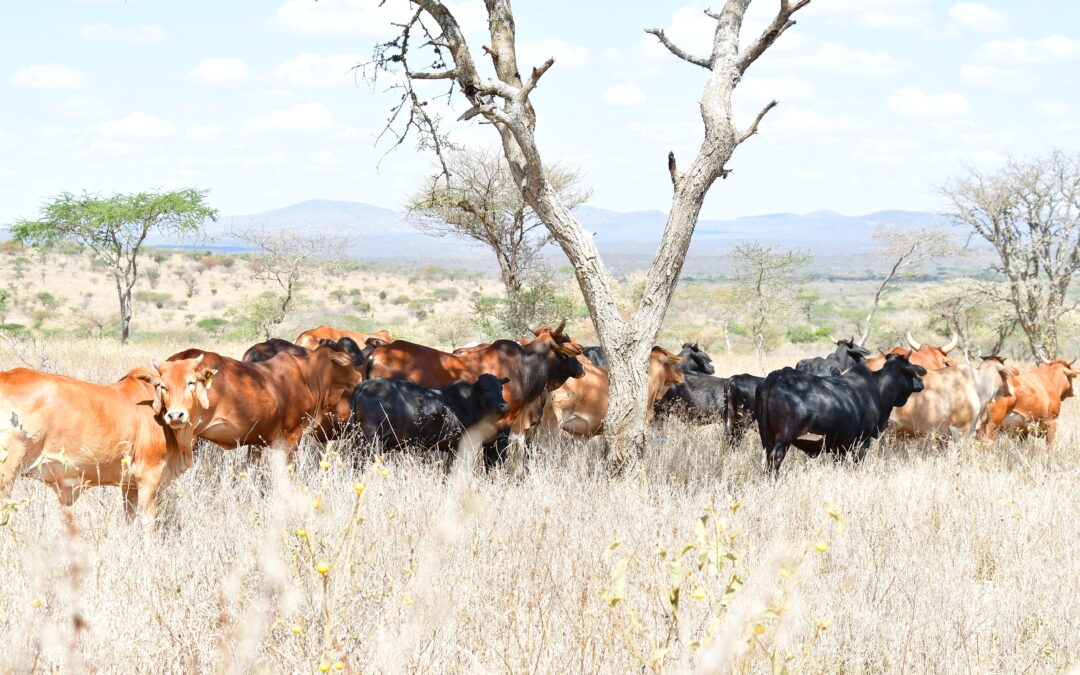
Different counties in Kenya have their unique challenges which call for different strategies to address their development needs. Our focus today is on the pastoralist communities whose mobile way of life may makes it difficult for them to benefit from ongoing sustainable development initiatives.
Pastoralists who are often considered to be among the most economically and socially disadvantaged groups tend to have limited access to extension and veterinary services. They also have limited access to major consumer markets and other development opportunities that may arise. In addition, they face threats, often occasioned by effects of climate change and droughts which hinder the availability of pasture and water for their livestock. As a result, the pastoralists end up moving from one area to another in search for water and pasture. The movement exposes them to trans-boundary animal diseases and sanitation challenges which they perennially struggle with. The problem is compounded by lack of institutional and policy frameworks that specifically address their nomadic lifestyles.
Therefore, addressing the unique needs of pastoralist or nomadic communities is crucial to Kenya’s economy since the Arid and Semi Arid Lands (ASALs) of Kenya is the home of approximately six million people.
Managing Scarcity and Plenty: Towards Climate- Smart Pastoral Innovations in Kenya project
To strengthen evidence on climate- smart pastoral innovations, the Centre for African Bio-Entrepreneurship (CABE) implemented a project to build the capacity of beneficiaries to respond more effectively to animal health, climatic change/extreme weather conditions, market opportunities and policy. The project focused on pastoralist areas of Kenya- Turkana, Marsabit and Lodwar.
The project, implemented under the Economic Governance programme of Open Society Institute for East Africa (OSIEA), aimed to build evidence on climate-smart pastoral innovations in disease surveillance and management. Additionally, the project aimed to build evidence on innovative livestock marketing and trading initiatives to facilitate learning, uptake, and up-scaling.
The knowledge generated would prepare pastoral communities to actively participate in policy debates, dialogues, and action. The ensuing participation would provide spaces/platforms for these communities to present policy recommendations. Ultimately, this would facilitate the uptake of policies either through legislation or by informing the design and implementation of various programmes that target pastoralists.
To achieve these objectives, the project identified and sensitized the community on potential climate-smart pastoral practices. Participatory assessment of opportunities for livestock commercialisation enabled CABE to identify the capacity gaps which limit the commercialisation of pastoralist activities. Additionally, the project identified policy spaces for local stakeholder engagement and built the capacity of pastoralists to influence policy. Importantly, the project documented various innovations in integrated disease management using indigenous technical knowledge and modern ICT-based provision of veterinary services.
“Climate change has been with us since 1753. We have witnessed abnormal rains, it can rain for a whole day, then the rains disappear for one year. This has made me lose livestock, I have lost more than 3000 animals from 1989 periodically,” says Tumal Orto, a pastoralist in Marsabit.
CABE’s climate adaptation and mitigation efforts resonates with the Kenyan government’s commitment to address climate change to provide solutions to most of the country’s development challenges. This is evident in the anchoring of the environmental pillar in Kenya’s blueprint Vision 2030 and the big four agenda (manufacturing, farming, health care and low-cost housing.
“It’s a reality today that we will have to work in different ways to be responsive to climate change so as to sustain economic development,” says Kenya’s president, H.E. Uhuru Kenyatta during his address on the 5th United Nations Environment Assembly held on 23 February 2021.
A community learning centre
The knowledge, and contributions of this project culminated into the establishment of a learning centre. “We though to set up a leaning centre that integrates indigenous knowledge and scientific knowledge because we believe that climate change adaptation and mitigation can be contributed by both indigenous people’s knowledge and scientific knowledge.”
Cumulatively, CABE’s work on climate change mitigation and adaptation will increase the pastoralist communities’ ability to effectively manage scarcity and surplus amidst extreme weather events which have increasingly become erratic in the last decade due to climate change. Ultimately, this will build the resilience among Kenya’s pastoralist communities and subsequently improve Kenya’s economy.
The Centre for African Bio-Entrepreneurship (CABE) has given an impetus to the ongoing Kenya-wide concerns on the need to institutionalize the use of evidence in the country’s policy making, implementation, and evaluation. This is timely as the country continues to grapple with youth unemployment despite the existence of different policies and regulations-the most recent being the Youth Enterprise Development Fund (2007)[1] and Kazi Kwa Vijana.[2]
Speaking at English point Marina, Mombasa-Kenya in a conference convened by the Partnership for African Social Governance and Research-PASGR, CABE, executive director Dr. Hannington Odame expressed concern that the agricultural sector which accounts for 34 per cent of the country’s Gross Domestic Product and a key driver of Kenya’s economy provided little traction for the youth. Odame noted that agribusiness provides the greatest employment opportunity for the youth, who the International Labour Organization reports their unemployment rate to be 35 percent of the population.
Evidence informed policy making is not institutionalized.
The conference held between 25 to 26 February 2021 brought together collaborative houses (CABE, Pamoja trust, African Platform for Social Protection and Institute of Policy Analysis and Research-Rwanda) under Utafiti Sera house, a program implemented by PASGR.
Presenting different studies, the four houses agreed that evidence-based policy making has not been institutionalized in Kenya and Africa at large. Agreeing further that existing policies are not comprehensive and that related interventions are not sustainable; the houses questioned the role of policy culture in evidence use by government departments in Africa.
The social dimension
A section of youth in agribusiness
The houses highlighted the importance of the social element to stakeholder engagement. “What do socio-economic survey inform? How do we share information of the data collected and how does it engage with the implementation of the projects?” posed Samuel Olando, executive director, Pamoja Trust. Olando adds that the consideration of social dimensions is important since it helps in stakeholder engagement frameworks.
Emphasizing on a need for a comprehensive approach which recognizes social, economic, political, and ethical dimensions, the houses called for a multi stakeholder approach to evidence based policy making. “partnership with KCDMS through KEPSA and the County government of Makueni to identify gaps and challenges for youth employment in the agro production has borne fruits. This is illustrated by successful engagements with the CEC Agriculture, Makueni, as a key participant – under the auspice of “Feed the Future Program” housed by Makueni, USAID, Alternatives, RTI and CABE,” says Waithera Gaitho, executive director, Alternatives Africa.
Way forward
The Utafiti Sera interhouse conference is a step in the right direction on the need to entrench the uptake of evidence-based policy making in Kenya. Cognizant that policy engagement is not a short-term goal, hence requiring intergenerational partnerships, the houses commit to engage individual policy makers and actors; and learn from what works to seize relevant and evolving partnerships through an integrated approach to achieve a practical, sustainable, comprehensive policy on youth employment. Achievement of this will require trust building, policy dialogue and an appreciation of the role of policy culture (the way different governmental departments embrace the use of evidence in informing policies) in building an ecosystem of evidence use in policy making. Subsequently, implemented evidence-based policies will effectively help the Kenyan government to achieve its goals such as youth employment creation.
Young woman entrepreneur tells of her experience during the Global Food Challenges Programme Second Mid-Term Review (MTR) meeting in Nairobi. (small subtitle)
This interview was conducted by Ms. Eunice Likoko, University of Amsterdam (UvA) Ph.D. Student.
Jennifer Atieno is a woman entrepreneur and a farmer in Kisumu. She came to know about the Women Food Entrepreneurs research project in the first field familiarization visits by the Ph.D. researchers with community-based women groups in Kisumu city slums. In January 2018, she participated in the Food and Business Knowledge Platform Second Mid Term Review meeting in Nairobi and this was her comment: “I learned new ways on how as a farmer and entrepreneur I can improve food and nutrition plus generate income. The meeting also enlightened me on new food preservation methods.”